


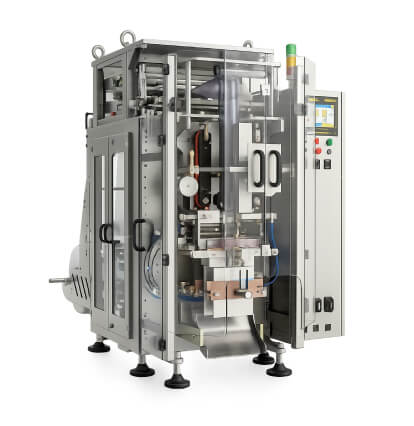
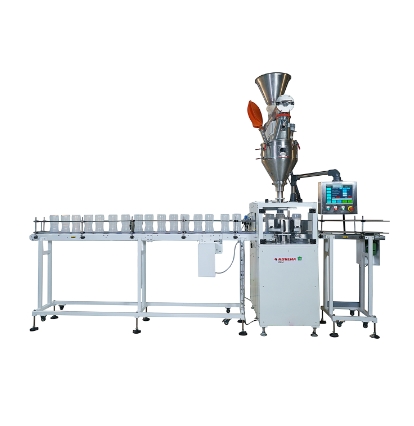
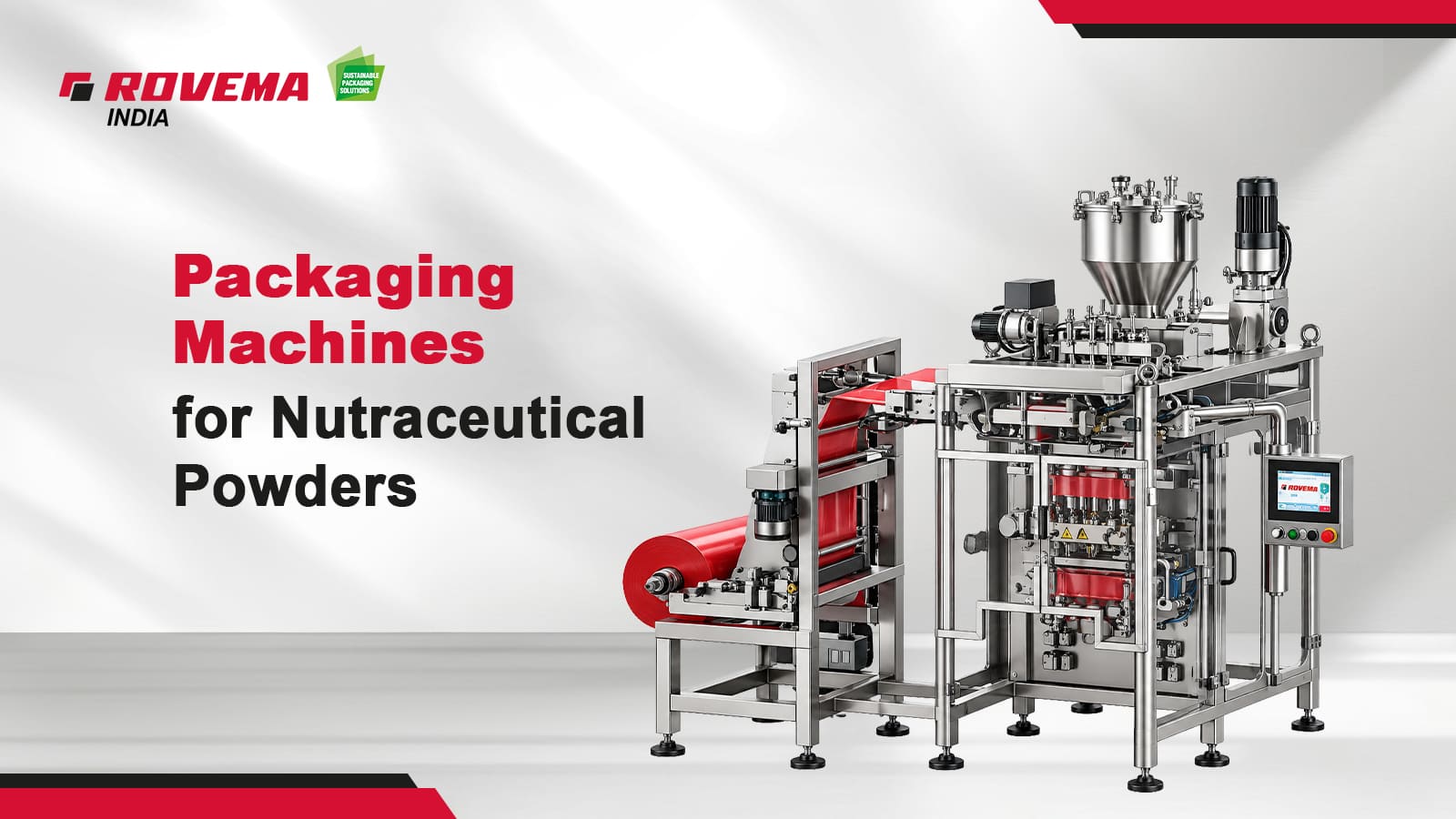
A packaging machine for nutraceutical powder is a filling and sealing system that doses fine, often moisture-sensitive powders into sachets, pouches at a controlled weight. The right setup pairs a dosing method suited to your powder’s flow with a vertical form-fill-seal machine that delivers clean, consistent packs.
Why Is Nutraceutical Powder Harder to Pack Than Regular Powder?
Nutraceutical powders are difficult to pack because they are fine, light and cohesive, so they flow unevenly and cling to surfaces. Some also absorb moisture, and bulk density can vary between batches, so the same volume can weigh differently from one batch to the next.
The powder is also the active product, so overfilling wastes expensive material, and underfilling violates the label’s declared weight. It all comes down to matching the dosing system to the powder.
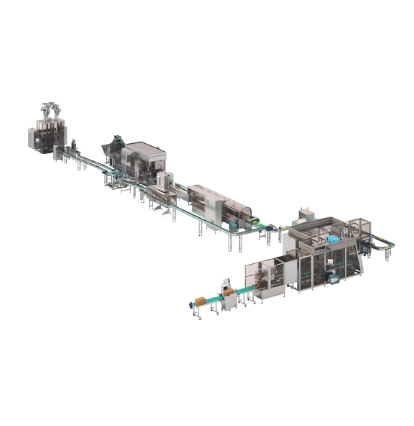
What Does a Nutraceutical Packaging Line Include?
- A feeding system that delivers powder to the filler at a steady rate.
- A dosing or weighing unit selected for the powder’s flow behaviour.
- A VFFS machine that forms, fills and seals the pack.
- Coding or printing for batch and expiry details.
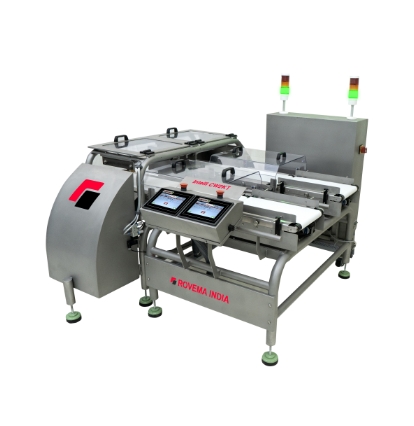
- Weight verification after packing.
- End-of-line equipment for cartoning and case packing.
Rovema designs end-of-line solutions, so one accountable manufacturer manages the whole line.
Which Filler Works for Which Powder?
Weigher selection depends on the product and its bulk density. This decision most affects accuracy.
- Free-flowing granules:Stealth is the weigher built for free-flowing materials. It suits granular blends that flow on their own.
- Semi-free and non-free-flowing powders:dosEQ is designed for these. Protein, collagen and greens-type powders often fall into this group.
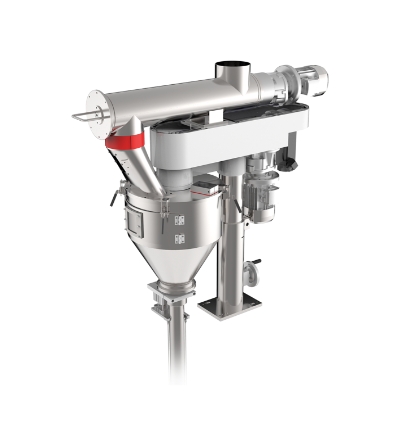
- Fine, fluffy powders:Rovema’s Innovative Auger Filler extracts air from the product using a vacuum. The powder behaves like a denser product, so the same weight occupies less volume. That means fewer auger revolutions, smaller pouches and flatter packs that are less prone to bloating.
- Consistent powders and granules at speed: Rotary and tilting cup fillers do by volume and work well when bulk density is stable.
If you are unsure where your powder sits, a flow test on the actual product settles the matter.
Which Pack Formats Suit Nutraceutical Powders?
Supplement brands rarely stick to one format. Rovema’s machines make:
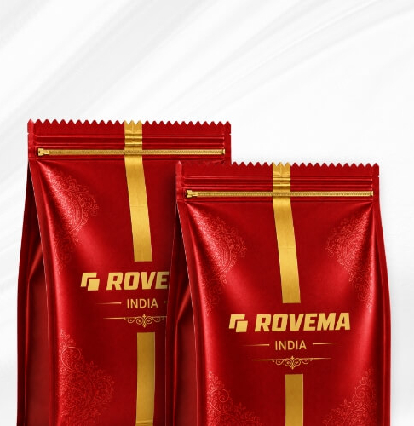
- Pillow and gusseted pouches for retail packs.
- Three-side and four-side-seal sachets for single servings.
- Multilane sachet lines for high-volume portion packs.
How Do You Keep Dust and Weight Variation Under Control?
Dust causes trouble at two points: during dosing and at the seal. A few practical habits help:
- Match the dosing system to the powder before considering speed.
- Run your powder on your film at full speed in a trial.
- Check that the seals remain clean after hours of running.
- Track weight spread over a complete run, including start and stop cycles.
- Review pack appearance across multiple runs for consistency.
What About Tablets, Capsules and Liquid Nutraceuticals?
Many supplement brands sell powders alongside tablets and liquid shots. Rovema’s tablet counters cover solid-dose formats, and volumetric piston fillers handle liquids and viscous products with stable flow. Sourcing both from one manufacturer keeps spares, training and service in one place.
How Do You Choose a Nutraceutical Packaging Machine Manufacturer?
Look past the price on the quote. These points tell you more:
- Trials on your actual powder and film before you commit.
- Dosing options that fit different flow behaviours, not one filler for everything.
- Quick, repeatable changeovers if you run many SKUs.
- Local spares and field engineers through a Life Cycle Services model.
- A platform that grows with you, from single-lane to multilane.
Total cost of ownership matters more than purchase price. Lower giveaway, less film waste and less downtime usually outweigh a cheaper machine over the years.
Conclusion
Packing nutraceutical powders well comes down to three things: dosing that suits the powder, a reliable seal you can trust, pack after pack, and a manufacturer who supports the line long after installation. Get these right and weight stays steady, packs look uniform, and giveaway stops eroding margins.
Share your powder type, pack format, daily output target and film specifications with Rovema India. Our engineers will recommend the right dosing and VFFS setup, run trials on your product and provide verified results before you decide. Contact Rovema India today to get started.
FAQs
1. What is a nutraceutical powder packaging machine?
It doses supplement powders into pouches, sachets, or jars at a set weight and seals them. Most use a VFFS platform paired with a dosing system such as an auger filler, cup filler, Stealth or dosEQ.
2. What types of nutraceutical powders can these machines package?
They can handle free-flowing granules, semi-free-flowing blends and fine, cohesive powders. We select the dosing system based on powder flow and bulk density.
3. Which packaging formats are suitable for nutraceutical powders?
Pillow, gusseted, block-bottom, quad-seal and three- or four-side-seal sachets are all suitable. Jar filling lines are also an option for products sold in rigid packs.
4. How can I improve filling accuracy when packaging nutraceutical powders?
Match the weigher or filler to the powder’s flow behaviour and bulk density, then confirm it with a full-speed trial on your own product. Fine, fluffy powders benefit from a system like the Innovative Auger Filler, which stabilises density before dosing.
5. How can powder dust be controlled during the packaging process?
Choose a dosing system suited to the powder, run long trials on your actual film, and check seal cleanliness throughout the run. Stable dosing at the source also reduces the spillage that leads to dust near the seal.
