




Every plant has that one machine everyone tiptoes around. It still runs, but only after a little coaxing. Operators know exactly how to “handle” it; maintenance teams keep a list of quick-fix tricks; and production managers cross their fingers every time the shift starts.
Most of these stories begin with an older Vertical Form Fill and Seal Machine. It served faithfully for years, packed millions of bags, and helped launch more SKUs than anyone remembers. Then one day, the dips in speed, the small alignment issues, and the extra resets stop being occasional and start becoming routine.
At that point, the question is no longer if the machine needs attention. It’s how much longer is it worth holding on?
Let’s walk through the signals that matter.
When a VFFS System Starts Slowing You Down?
Here’s the thing about ageing form fill and seal machines: they rarely break in dramatic fashion. The decline shows up in subtle ways first, then grows into recurring production headaches.
1. Slower Output Even at Full Load -
A machine that once comfortably ran 80–100 bags a minute starts hovering at 55–60. Nobody panics at first, until you realise the daily target is slipping even with three shifts on the floor.
Production efficiency drops quietly. But the cost of that lost time isn’t quiet at all.
2. Seal Quality That’s Never the Same Twice -
If the sealing jaws have been resurfaced more times than anyone can count, or if temperature control fluctuates no matter what the operator does, the system is telling you it’s tired.
With powders and granular products, inconsistent seals translate into rework, waste, customer complaints, and hours lost in quality checks.
3. Downtime That Feels “Normal” -
Most maintenance heads track this instinctively. When a VFFS packaging machine spends more time being reset than running, you’re looking at the most expensive kind of downtime – the kind you’ve unknowingly normalised.
Across the industry, ageing FFS systems contribute heavily to the 20–25 percent downtime average seen on older packaging lines. Plants don’t feel the impact at first. But stack those numbers across weeks, and the losses look very different.
4. Film That Just Won’t Stay in Line -
Film wander is the classic symptom of structural fatigue. On welded-frame machines, small shifts grow over time. A millimetre here, a fraction there, before you know it, alignment becomes a daily fight.
When operators spend half their shift “nudging” the film, the equipment has already outgrown its best years.
5. Maintenance Costs That Keep Creeping Up -
Another way to read a machine’s age is in its invoices. Parts become harder to source, lead times stretch, and every breakdown takes a little longer to close.
By the time you’re nearing the 12–15 year mark, most VFFS systems have reached the point where maintaining them costs more than replacing them.
What a Modern Vertical Form Fill and Seal Machine Fixes Instantly?
Packaging lines today aren’t built the way they were a decade ago. The technology has matured, the demands are higher, and the products being packed are more diverse.
Rovema India stands out here because their engineering philosophy solves the exact pain points older machines struggle with.
1. A Frame That Stays True -
Instead of a welded body, Rovema machines use a single-piece machined structure. When you remove weld joints, you remove the tiny shifts that cause film tracking issues and misaligned seals. The machine stays stable, even after years of use, temperature cycles, and heavy daily operation.
2. Consistent Speed, Even With Challenging Products -
Whether you’re running atta, sugar, rice, spice mixes, or malt-based powders, modern servo-controlled motion keeps output stable. High-speed lines don’t slow the way older VFFS equipment does because the motion is optimised, predictable, and repeatable. Know why big brands prefer Rovema for Spices Packing Machine
3. Automated Adjustments, Fewer Operator Interventions -
The newer systems take over the job operators used to do manually:
- Film centering
- Temperature balancing
- Jaw pressure corrections
- Forming tube alignment
The result is simple: fewer errors, fewer stops, fewer surprises.
4. Energy Use That Doesn’t Shoot Up -
Plants that switch from legacy pneumatic systems to servo-driven FFS systems often see noticeable energy savings. Less heat wastage, more efficient drives, and smarter control systems help keep utility bills manageable.
5. Flexibility for Modern Packaging Formats -
Retail is different today. More SKUs, more bag styles, more film types. Modern form, fill-seal packaging systems handle changes without lengthy mechanical reworks.
If you’re updating your product range, or planning to, this flexibility becomes a major reason to upgrade.
Why Plants Moving Away from Legacy Systems Choose Rovema India?
Walk into facilities handling staples, dairy powders, or malted mixes, and you’ll notice a pattern: Rovema lines are used where there’s zero tolerance for inconsistency.
These machines are built to stay aligned, run fast, and deliver the same seal quality on the thousandth bag as they do on the first.
With decades of engineering refinement behind them, Rovema India’s machines offer:
- A stable, non-welded frame
- Better long-term alignment
- High-speed capability without seal compromise
- Compatibility across films and formats
- Reliable performance for multi-shift operations
In categories where daily throughput defines profitability, this kind of predictability isn’t a luxury; it’s a necessity.
Conclusion: If You’ve Outgrown Your Machine, Replacing It Isn’t a Cost. It’s a Recovery.
A VFFS machine sits at the heart of a packaging line. When it slows down, everything downstream gets affected. When it misbehaves, operators lose time, maintenance teams lose capacity, and production loses output.
If your machine is showing signs of fatigue or repeatedly pulling down efficiency, evaluating an upgrade isn’t just smart, it’s strategic. Modern systems give you speed, stability, and consistency that older equipment simply can’t match anymore.
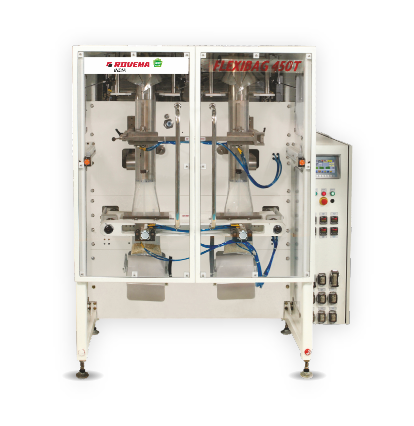
Rovema India’s Vertical Form Fill and Seal Machine range gives manufacturers exactly that reliability, especially in high-volume, quality-sensitive categories. If you’re considering a replacement or planning next year’s CAPEX, now’s the perfect moment to look at what a new system could unlock for your plant.
If you want a quieter, faster, more stable line, Rovema India can help you evaluate your current setup and plan an informed upgrade. Contact us now.
FAQs
1. What is a vertical form-fill-seal (VFFS) system?
It’s a machine that forms a pouch from flat film, fills it with product, and seals it—continuously, in one vertical line.
2. How do I know if my VFFS machine needs to be replaced?
You can usually tell if your machine is failing by looking for these indicators: A slowing of production speed, multiple issues with sealing, excessive amounts of machine downtime, and long, expensive replacement times for parts.
3. What are common performance issues that indicate a failing VFFS system?
Slow speeds, unstable sealing temperatures, film drift, jaw wear, and inconsistent bag quality are the usual suspects.
4. Are new VFFS machines more energy-efficient?
Unlike older pneumatic (air-compressed) systems, modern VFFS Machines utilize servo (electric) drive systems. Because of this, they use electricity much more efficiently than those older systems did.
5. Can a new VFFS system reduce labor needs?
It can. Newer systems automate most fine adjustments, reducing operator dependency and cutting down manual interventions.
