


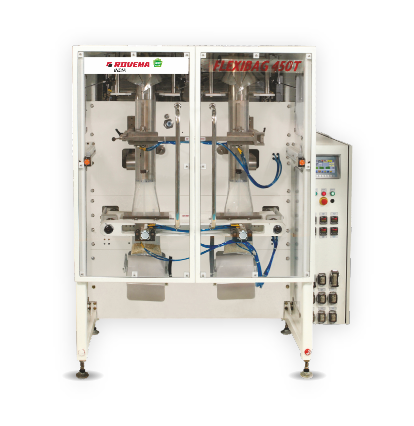
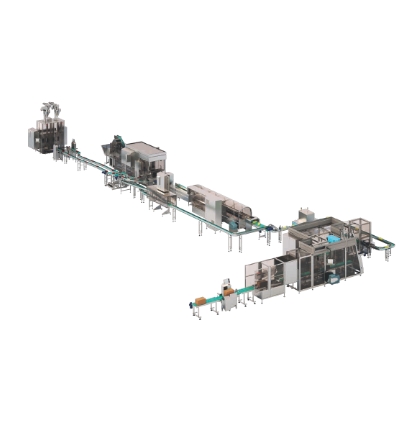
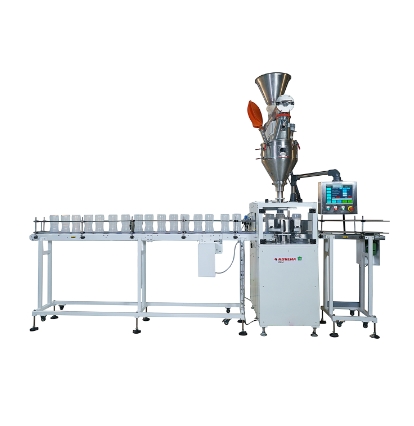
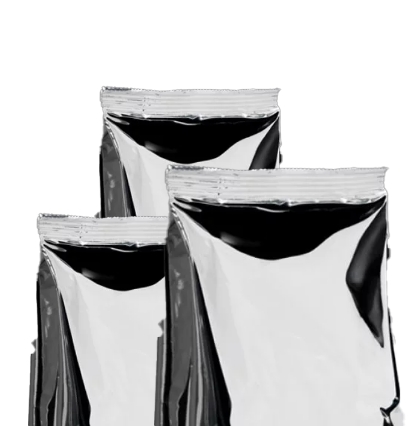
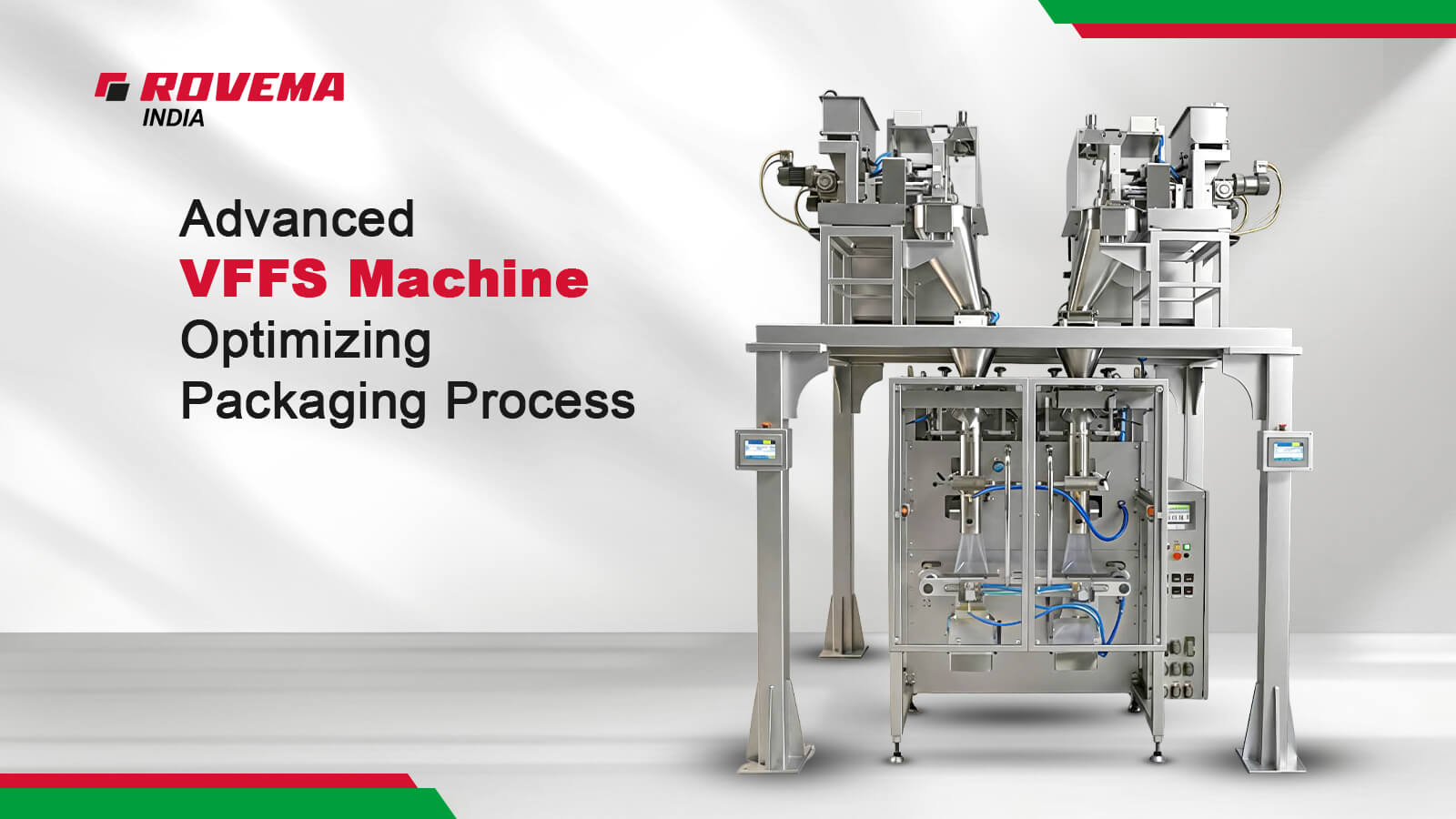
A VFFS packaging machine forms a pouch from flat rollstock, fills it, and seals it all on one vertical axis.
It’s the core of most high-volume packaging lines across powder, granular, and viscous applications. But owning one and getting the most out of one are two very different things.
The gap between a machine’s rated speed and its actual output over a full shift is where most plants lose money.
Giveaway, film scrap, unplanned stops, and slow changeovers chip away at margins. Advanced form fill seal technology closes that gap through tighter control at every stage of the packaging process.
Here’s what that looks like in practice.
Where Packaging Lines Lose Money?
Three areas account for most of the losses on a VFFS line:
- Downtime. Changeovers, recalibration, film jams, and jaw maintenance can eat 20 to 25 percent of a shift on older machines. Most teams stop noticing because the losses become routine.
- Product giveaway. A few extra grams per bag, multiplied across tens of thousands of bags a day, turns into tonnes of lost product over a quarter.
- Film waste. Poor tracking, bad tension control, and registration errors all burn through the laminate. At high volumes, even one extra percent of film scrap wipes out a meaningful chunk of your margin.
An advanced VFFS packaging machine tackles all three through mechanical stability, servo-controlled motion, and tighter process automation.
Dosing Accuracy: Where Real Savings Begin
Weight consistency in packaging drives cost-effective packaging solutions more than raw speed ever will. A line running at 80 bags per minute with accurate weight control will outperform a 100 bpm line that overfills every third bag.
Getting dosing right starts with matching the filler to how the product actually behaves.
Rovema India classifies each product by its Dynamic Flow Rate (DFR) before recommending a system. That classification determines everything downstream.
- For free-flowing products like sugar, rice, and seeds, the Stealth weigher delivers high-speed accuracy by holding precise targets even at peak throughput. Combined with the bagger, it keeps giveaway down to single-digit grams without the operator having to compensate manually.
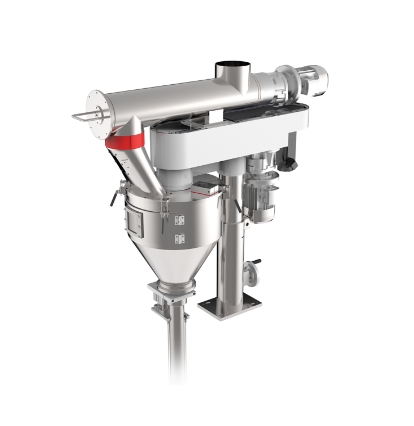
- For non-free-flow and semi-free-flow products, like atta, spice blends, and milk powder, the dosEQ system takes over. It extracts trapped air from the product column, stabilises density, and maintains dosing precision without mid-shift adjustments. These products shift in bulk density batch to batch, and dosEQ is built to handle exactly that.
Pouch Quality That Holds Up, Shift After Shift:
Automation on a modern VFFS line isn’t about replacing operators. It’s about taking repetitive fine-tuning off their plate:
- Film centering and tracking, handled by sensors and servo motors, not manual nudging.
- Temperature and jaw pressure are auto-regulated, so every pack comes off the line with clean, consistent seams from the first bag to the last.
- Format changeovers so that recipe recall on the machine lets operators switch SKUs in minutes.
This is how you reduce packaging downtime and reduce labor costs in packaging at the same time. Servo-driven motion also replaces older pneumatic setups. The difference shows up in smoother bag forming, lower energy draw per cycle, and more predictable output at speed.
Format Flexibility on a Single Platform:
A packaging line that can only produce pillow bags is a bottleneck the moment marketing wants a block-bottom pouch or a quad-seal pack.
Modern VFFS platforms handle multiple formats without mechanical re-engineering:
- Film centering and tracking, handled by sensors and servo motors, not manual nudging.
- Temperature and jaw pressure are auto-regulated, so every pack comes off the line with clean, consistent seams from the first bag to the last.
- Format changeovers so that recipe recall on the machine lets operators switch SKUs in minutes.
Rovema India’s platforms cover this full range without sacrificing speed or fill accuracy during changeovers.
They run continuous or intermittent motion depending on the product, and switch between formats with minimal change of parts. Whether you’re filling 10-gram sachets or 5 kg bags of atta, the platform holds the same precision at speed as it scales up.
Total Cost of Ownership Over Sticker Price:
Picking a VFFS equipment manufacturer on purchase price alone always costs more in the long run. What matters is the total cost of ownership:
- Giveaway losses over the machine’s lifetime.
- Film waste percentage across a full 8-hour shift.
- Energy consumption per bag.
- Maintenance frequency and spare part lead times.
- Machine lifespan and upgrade path.
Rovema backs this further with life-cycle services such as remote diagnostics, in-country spare parts, and modular operator training, so that cost savings with VFFS machines compound over the years.
Conclusion:
Packaging process optimization starts with knowing where your current line bleeds and then picking a VFFS packaging machine built to stop those leaks.
If you’re planning a new line or replacing aging equipment, share your product type, pack format, output targets, and film specs with Rovema India. Their team will run full-speed trials on your material and hand you verified data on speed, accuracy, and waste, so you can sign off with confidence before committing capital.
Find the right packaging system for your operations. Contact Rovema India today to get started.
FAQs
1. What is a VFFS machine, and how does it work?
A VFFS (Vertical Form Fill Seal) machine takes flat rollstock film, forms it into a tube, fills it with product from above, seals the top and bottom, and cuts the finished pouch — all in one continuous vertical cycle.
2. How can a VFFS machine optimize the packaging process?
It reduces manual intervention, tightens fill-weight accuracy, minimizes film waste through precise tracking, and cuts changeover times with automated recipe recall and servo-driven adjustments.
3. What are the key benefits of using an advanced VFFS machine?
Consistent dosing accuracy, lower giveaway, reduced film and energy waste, faster format changeovers, decreased operator dependency, and a longer productive machine life.
4. Which industries benefit the most from VFFS machines?
Food and beverage, dairy, flour and staples, snacks, confectionery, personal care, agrochemicals, nutraceuticals, and detergent manufacturers all rely heavily on VFFS technology for high-volume packaging.
5. How do I choose the right VFFS machine for my business?
Match the dosing system to your product’s flow behavior, verify speed and accuracy through on-material trials, evaluate total cost of ownership over the machine’s lifespan, and confirm that the manufacturer offers reliable local service and a clear upgrade path.
