





Pulses move fast in Indian retail. Margins are razor-thin, SKU counts keep climbing, and buyers expect every pouch on the shelf to look the same and weigh right.
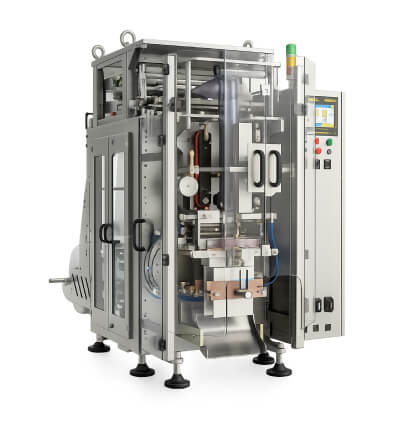
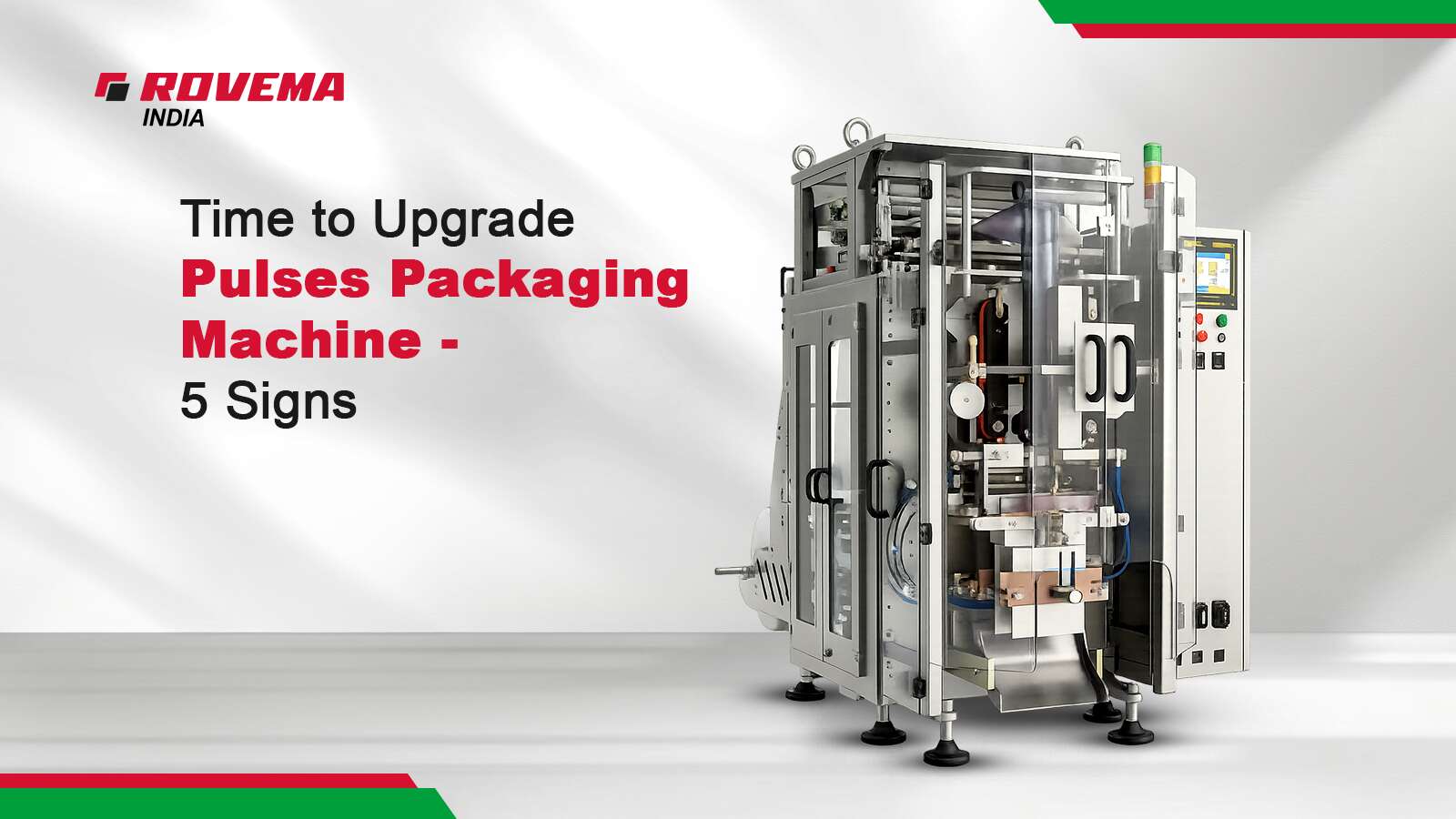
The machine doing that work is usually a VFFS-based pulse packaging machine. When it starts slipping, the signs rarely show up as one dramatic failure.
The real question is whether you’re catching these signals early enough to take action.
1. Breakdowns Are Getting More Frequent and More Expensive -
Every line deals with occasional stoppages. What’s not normal is when the gap between them keeps shrinking.
If your maintenance team is replacing the same components every few weeks (jaw heaters, tension springs, servo drives), that’s a pattern. Frequent machine repairs point to cumulative wear across multiple systems, and patching individual parts won’t fix what’s fundamentally worn out.
- Mean time between failures (MTBF) – If it’s trending down quarter over quarter, the machine is losing reliability.
- Repair cost vs. replacement cost – Once annual maintenance crosses 15 to 20 per cent of what a new machine would cost, the math tilts toward upgrading.
Rising maintenance costs also create a hidden problem. Every hour of unplanned repair is an hour of lost output. When you add packaging machine downtime issues to the direct repair bill, the real cost of keeping old equipment alive is almost always higher than it looks on a work order.
2. Speed Has Dropped on the Older Machine -
Sometimes the machine isn’t broken. It’s just too slow. Older machines lose speed because of outdated technology.
Servo drives, jaw mechanisms, film transport systems, and control electronics were all built to the standard of their time. A decade later, even with regular maintenance, they can’t match the cycle times of newer platforms designed for current throughput.
What you usually see on the floor:
- Pouches -per-minute output is drifting below the original spec sheet rating.
- Production schedules stretched to absorb the slower output.
3. Accuracy Varies and Fill Weights Drift -
The other thing that quietly reveals an aging machine is its accuracy. Bag-to-bag weight consistency, the kind that used to hold steady for entire shifts, starts to be inaccurate.
Like speed, accuracy is a function of the technology underneath. You’ll spot it in:
- Weight variability even after recalibration.
- Filler timing is slipping out of sync with the bag-filling cycle.
- No real-time density compensation, meaning batch-to-batch variations go uncorrected.
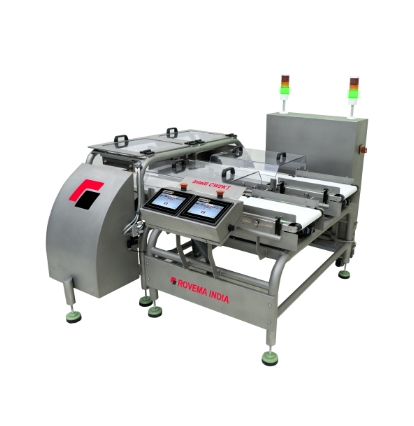
- More frequent rejects when the QC team checks against tolerance.
The cost compounds quickly. Overfilling by just five grams per pouch on a line running 60 bags per minute adds up to roughly 180 kg of product given away every single day. Over a month, that’s several tons of free lentils given away.
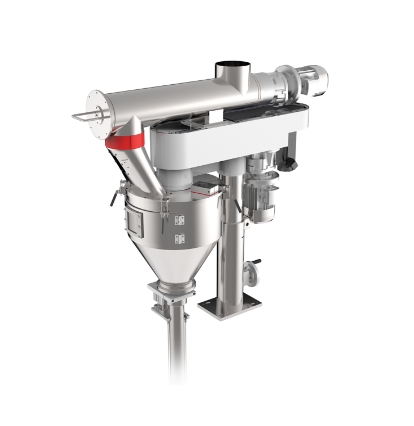
Rovema India classifies every product by its Dynamic Flow Rate (DFR) before selecting a dosing system. For pulses, our Stealth weigher paired with the bagger holds precise fill targets at high speed. This combination is what controls giveaway.
That kind of precision at speed is what separates a line that’s packaging profitably from one quietly losing product.
4. Format Flexibility Has Become a Constraint -
The same product can move through 200g pouches, 500g and 1kg retail packs, 5kg trade bags, and now e-commerce-specific formats built for direct-to-doorstep delivery. A line that can only run one or two pouch styles is limiting.
Older machines weren’t built for this. Format changes meant manual adjustments, swapping out plates, and an hour or two of downtime nobody wanted to schedule. The longer the changeover, the fewer SKUs you’re realistically willing to run.
What a modern platform delivers instead:
- Multiple pouch styles, such as pillow, gusseted, block-bottom, and quad-seal off the same bagger.
- Recipe recall to allow format changes in minutes.
Rovema’s VFFS platforms handle the full range of pouch formats without re-engineering the bagger. That flexibility lets a pulses business chase new SKUs and channels without buying a second machine for every new pack style.
5. Modern Automation Is Out of Reach -
The other thing older machines cost you is access to capabilities that didn’t exist when they were designed.
Newer VFFS platforms come with automation that handles the small adjustments operators used to make by hand. Film centring, sealing temperature balancing, jaw pressure correction, and forming tube alignment all happen automatically.
Beyond that, there’s the diagnostic and connectivity layer:
- Real-time visibility into weight trends, reject rates, and filling performance, fed back to the line while it’s still running.
- Remote troubleshooting that lets a service engineer diagnose a fault without waiting for a site visit.
- Servo-controlled film handling that holds tension and registration without manual input.
None of these can be retrofitted onto a machine that was designed before they existed. They have to be built in from the start.
For a pulses business running multi-shift operations, that capability gap shows up as slower decisions, longer recovery from faults, and quality drift that’s harder to catch until it’s already cost something.
Conclusion:
A pulses packaging machine that’s leaking product, time, and money doesn’t announce itself with one catastrophic failure. It dies in increments: more giveaways this month, another breakdown next week, and one more rejected shipment by quarter-end.
If your line is showing frequent packaging machine breakdowns, reduced speed, drifting fills, inconsistent pouches, or slowing output, the decision isn’t whether to upgrade. It’s how soon?
Share your product specs, target speeds, and pack formats with Rovema India. We’ll run full-speed trials on your actual material and give you verified data on accuracy, speed, and pack quality, so the decision is backed by numbers.
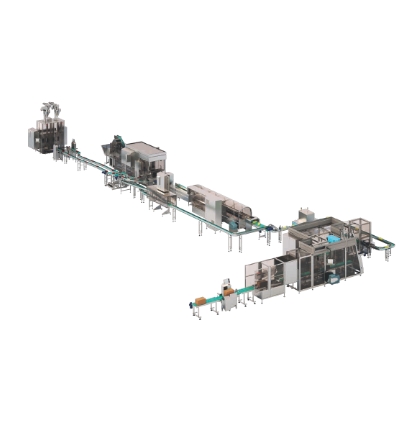
Get in touch with us to upgrade your packaging line.
