


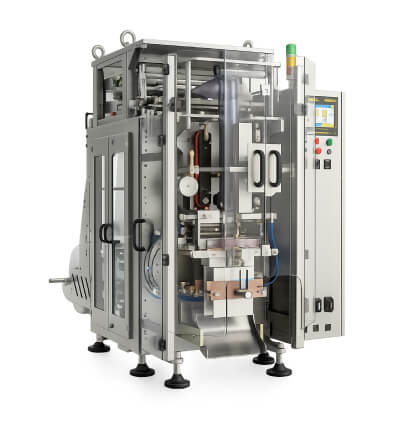
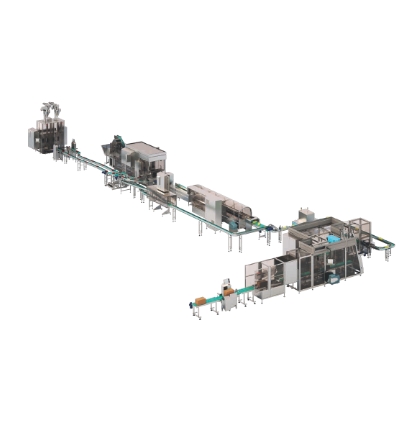
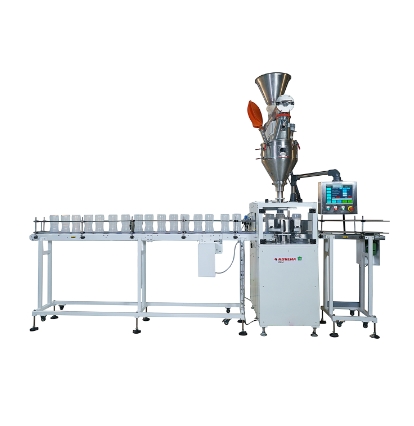
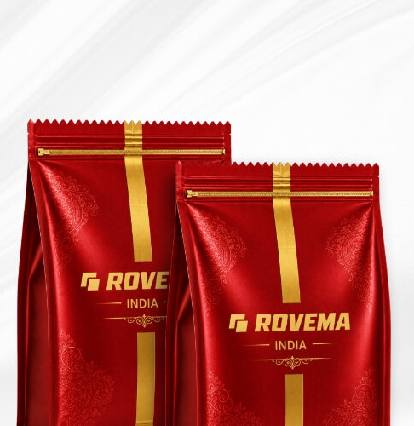
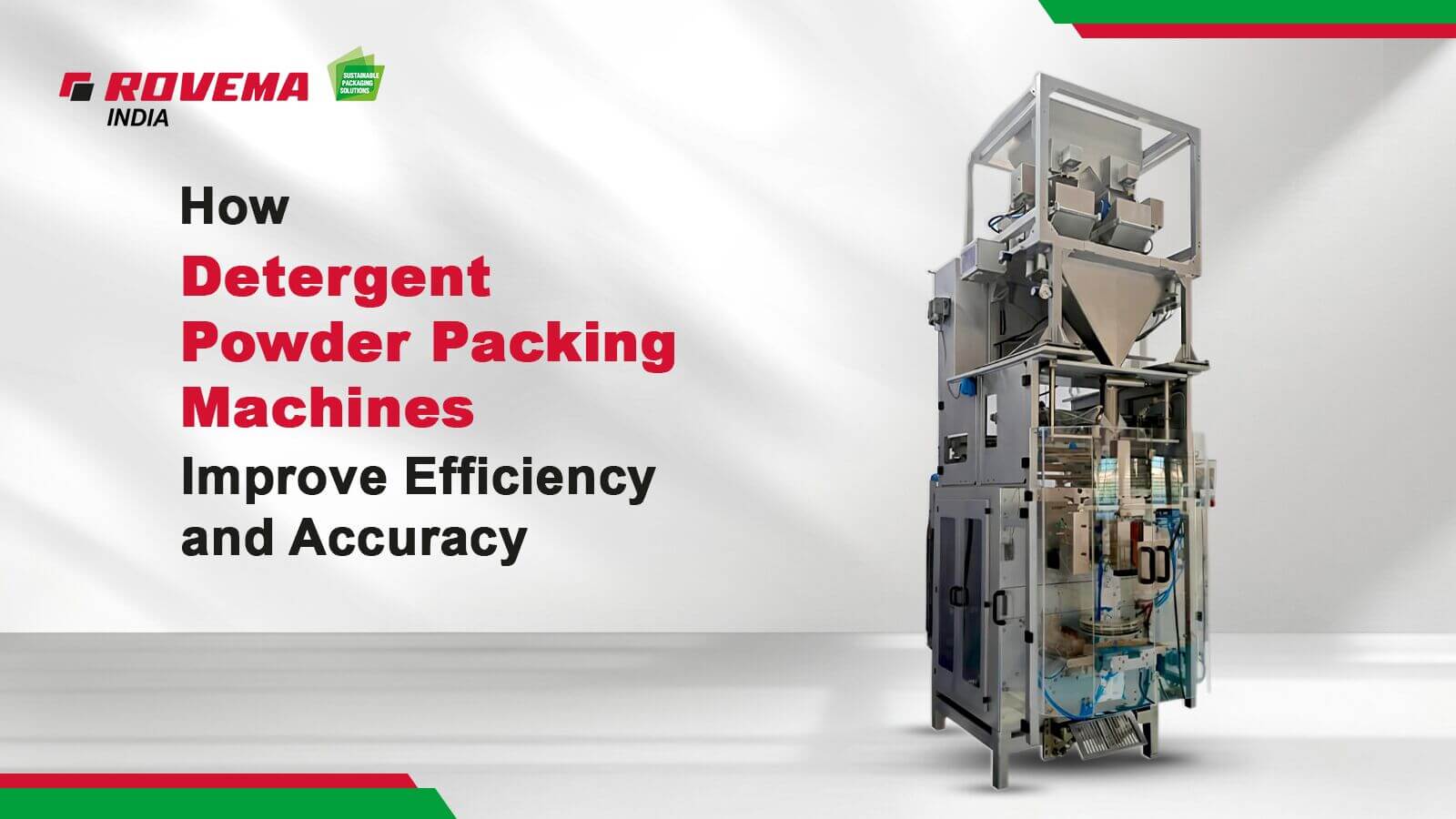

Detergent powder challenges packaging lines in ways most products don’t. Its density shifts as the material moves through hoppers, the powder can carry static, and the dust it generates has a habit of settling exactly where you don’t want it, on sensors, in sealing jaws, and along the film path. If the machine isn’t built with these behaviours in mind, accuracy slips, seals weaken, and the line slows down.
A dependable detergent powder packing machine has to counter all of these factors at once, not with workarounds, but with engineering that anticipates the product’s natural tendencies.
That’s the philosophy behind Rovema’s approach to detergent packaging, and it’s the reason their systems have become a trusted choice for manufacturers who can’t afford inconsistency on the line.
A Machine That Reads the Powder Before It Touches the Pouch
Most packaging problems start long before the seal is created. They begin at the point where the powder enters the dosing system.
Detergent can trap air, expand, contract, and shift density from batch to batch. If the machine isn’t prepared for that, the fills fluctuate, and your operators spend the shift chasing accuracy.
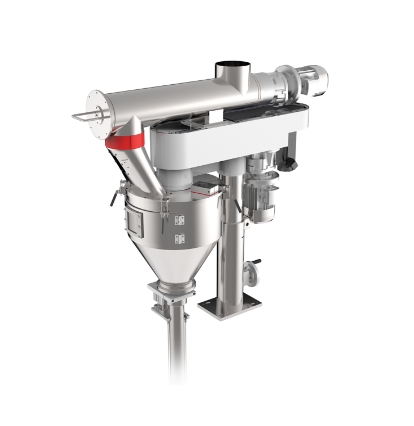
Rovema approaches this differently. Their technology settles the powder into a stable state so the filler doesn’t fight air pockets or sudden changes in flow. Once the material behaves consistently, the machine’s dosing becomes steady, and that steadiness directly reflects in your output.
It’s a subtle intervention, but it eliminates many of the frustrations plant teams deal with daily.
A Filling Environment Designed for Clean, Controlled Movement
Dust may seem like part of the job in detergent plants, but it doesn’t have to disrupt your line.
The real trouble with dust isn’t the mess, it’s the way it sneaks into seals, sensors, and electronics. One tiny layer of residue on a sealing jaw can weaken a pouch that looks perfect on the outside.
Rovema’s machines create a controlled filling environment where dust is contained before it becomes a problem. The airflow, extraction points, and sealing-area design work together so the product enters the pouch cleanly, without scattering.
This is especially important for manufacturers who run long, uninterrupted shifts. Less dust means fewer unplanned stops and fewer seal-related complaints later down the chain.
A Structure Built for Continuous Production — Not Occasional Use
Detergent packaging demands endurance. The machine must hold its alignment even after hours of vibration, constant motion, and heat cycling.
This is why Rovema’s frame construction stands out. Instead of assembling the structure through welded joints, the core frame is carved from a single block. Nothing rattles loose, nothing shifts gradually, and nothing forces operators to recalibrate mid-shift.
A line manager only truly appreciates this after seeing how many sealing issues trace back to micro-shifts in machine frames. Rovema’s design simply removes that variable.
Matching the Filling System to the Detergent Type
Detergent is not a single product category. Some powders fall freely, some move sluggishly, and some behave more like semi-flowing granules. A single filling system can’t handle all these variations well.
Rovema uses different filling technologies based on how the detergent behaves. Their systems recognise whether the material needs a gentle push, a controlled rotation, or a measured fall to achieve the right fill weight.
This attention to flow behaviour is what gives their machines the edge in accuracy, because the machine isn’t guessing what the product might do next.
Seals That Hold Up From Factory to Retail Shelf
Packing detergent isn’t just about filling; it’s about creating a pouch that survives shipping, storage, handling, and climate changes.
A strong seal doesn’t happen accidentally. It takes control over heat, pressure, timing, and film tracking. Rovema’s sealing assemblies maintain stability even with modern films, recycled materials, or laminate variations. When combined with a cleaner fill area, the seals look uniform and behave reliably.
Your customer sees a neat pouch. Your supply chain sees fewer leaks. Your brand sees fewer returns.
Quality Assurance That Works in Real Time
Most issues in detergent packaging aren’t visible when the pouch comes off the forming tube — they show up downstream. Variations in weight, for example, only become clear once cartons start filling unevenly.
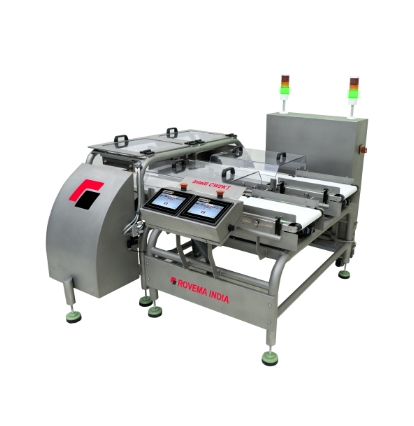
Rovema adds a safety net here. Their systems perform weight checks on the move, rejecting any pouch that doesn’t meet the standard. This keeps your batch consistent, your cartons uniform, and your rework section empty.
It also saves time. No plant manager enjoys sorting through pallets because of a minor dosing error earlier in the day.
What All of This Means for Your Line?
When you put the pieces together, the results are straightforward:
- Less chasing accuracy,
- Fewer adjustments during the shift.
- Dust is kept under control.
- Seals that stay intact.
- A filling process that adapts to the product.
- Machines that hold their alignment.
- Bags that look consistent across every run.
You’re not just gaining speed. You’re gaining predictability — the quality every detergent manufacturer values most.
Conclusion
Efficiency in detergent packaging isn’t about pushing the machine to run faster. It’s about designing a system that anticipates the product’s behaviour, protects the sealing environment, and maintains accuracy without constant operator intervention.
Rovema’s detergent powder packing machines bring together thoughtful engineering, stability, and product-focused design. They give manufacturers a cleaner, more controlled process and a smoother path from raw material to finished pouch.
If you’re looking to strengthen your packaging line with a system that can handle the unpredictable nature of detergent powders, Rovema India offers solutions built for exactly that. Contact us now.
